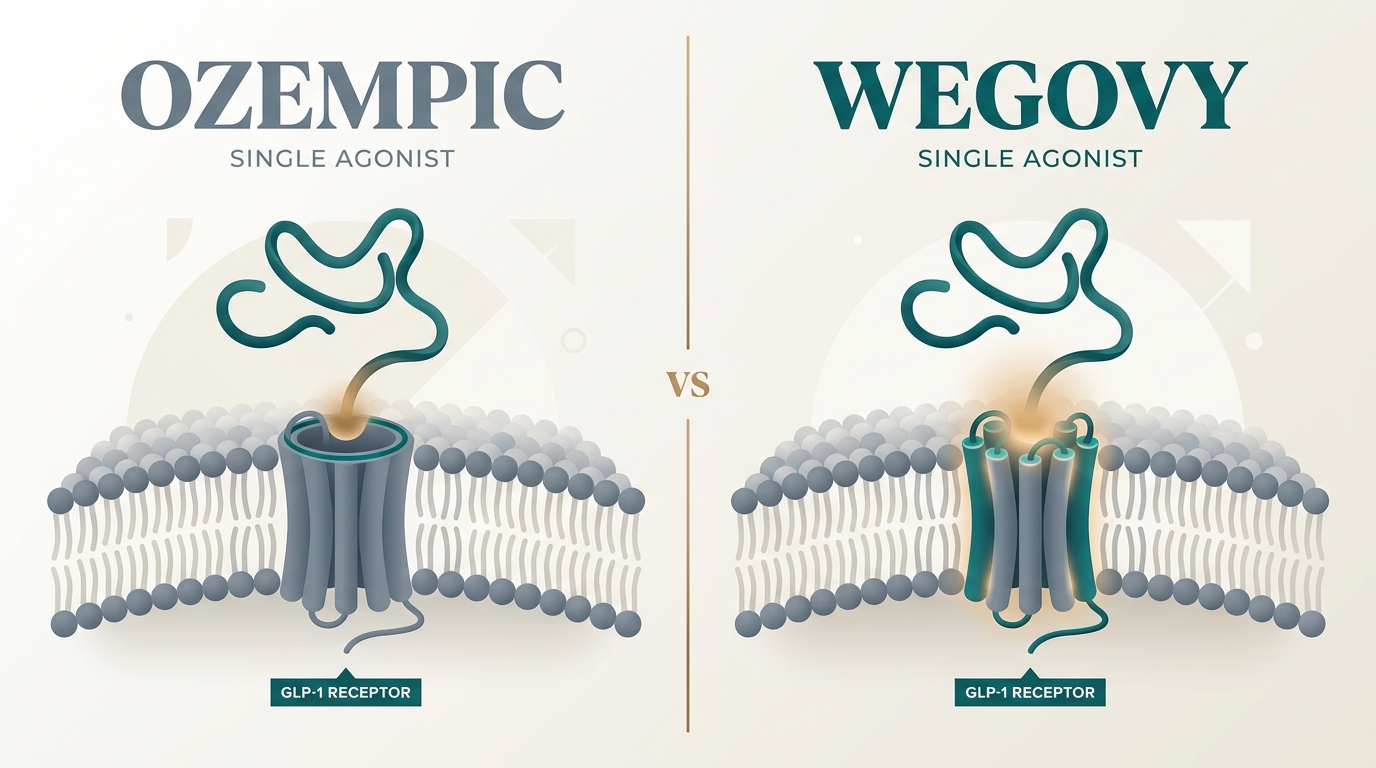
- What is a peptide comparison?
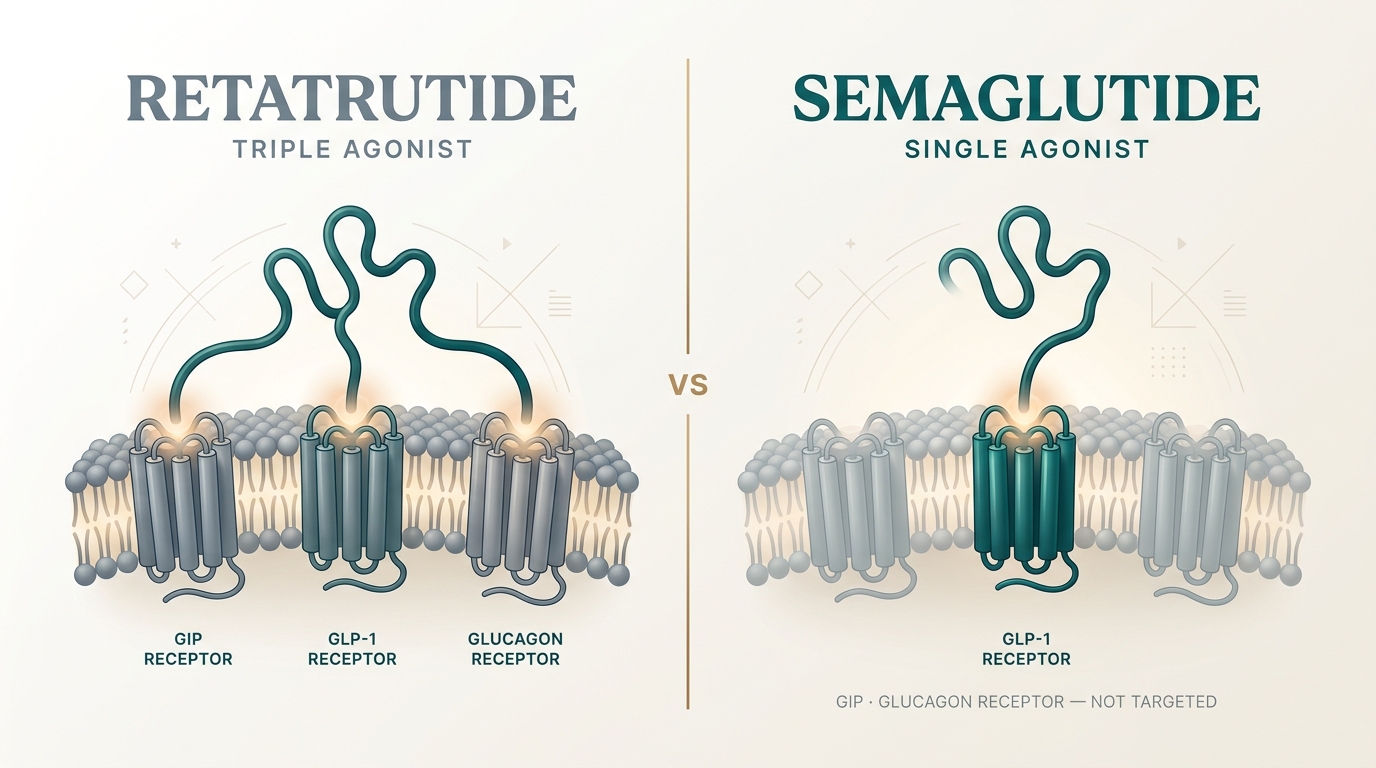
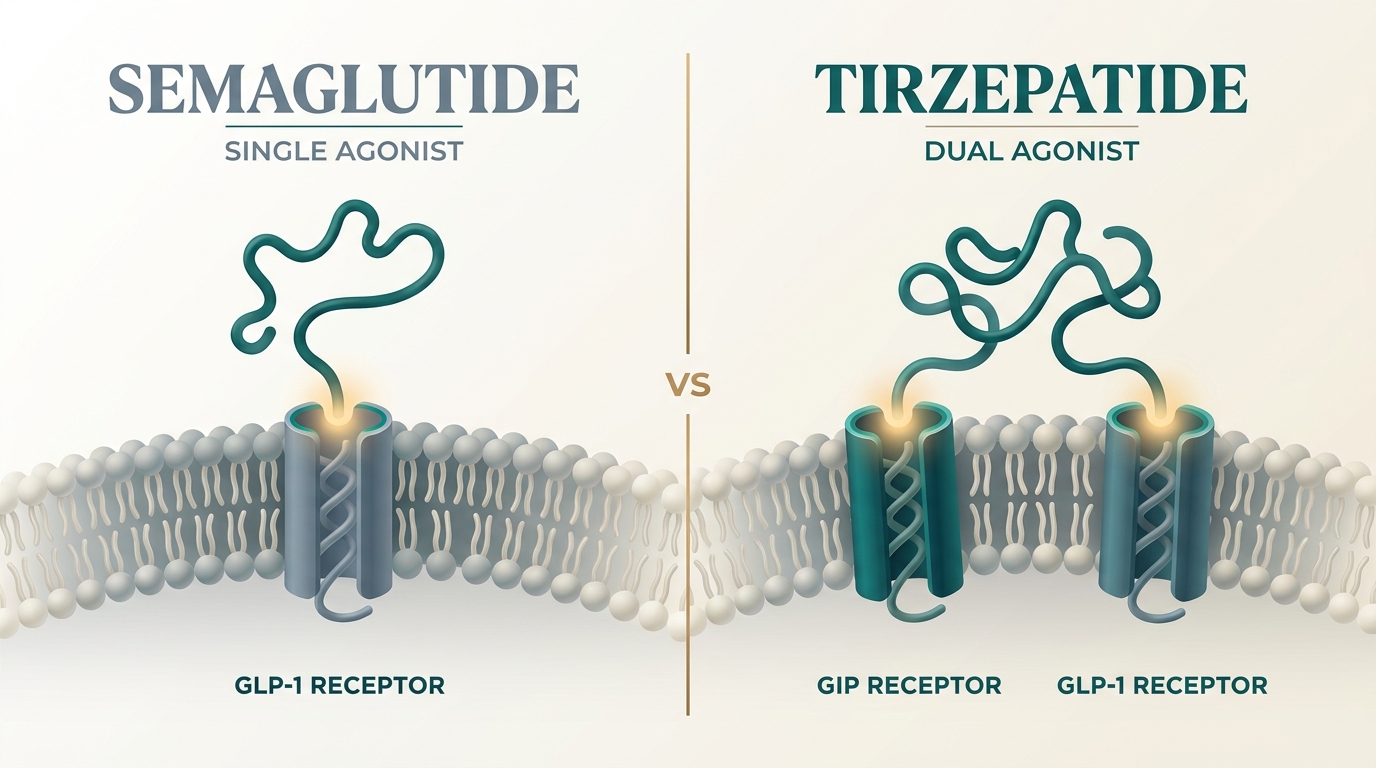
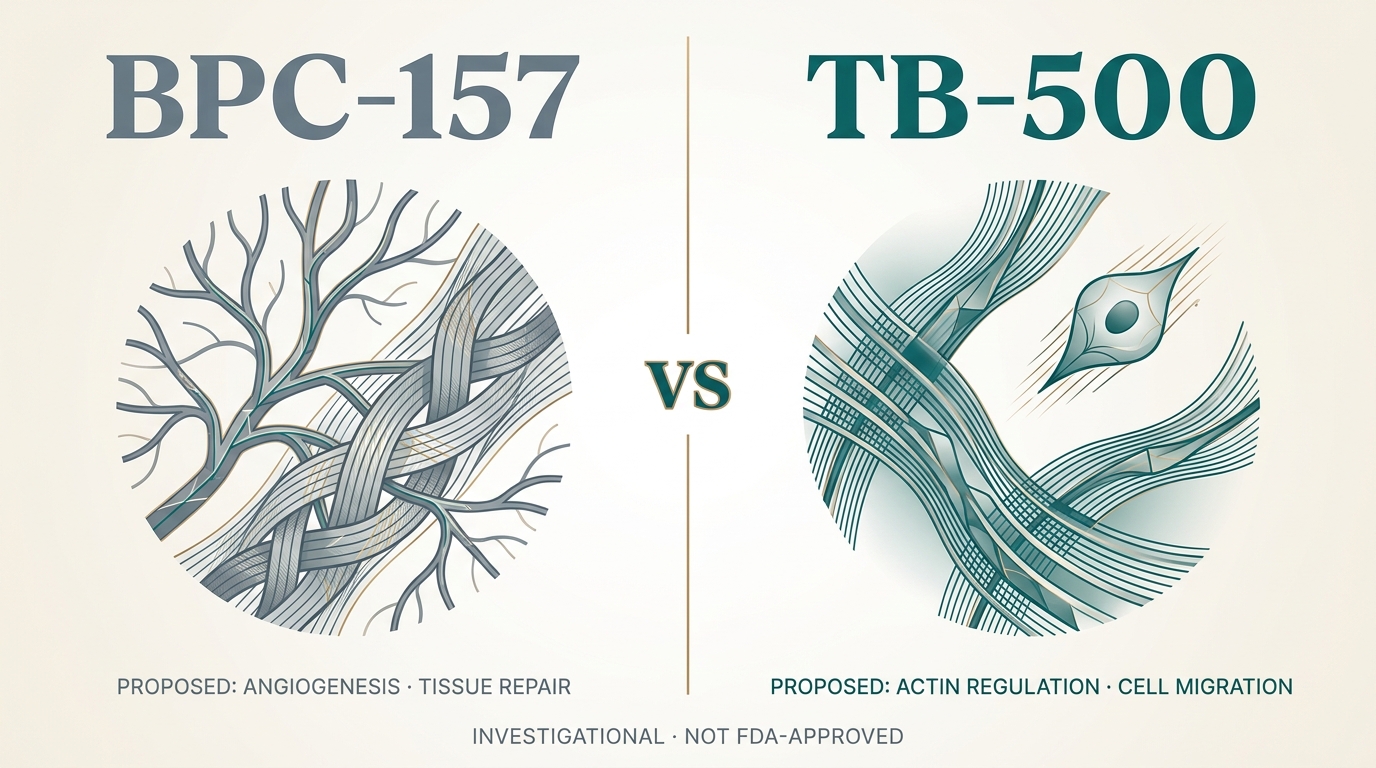
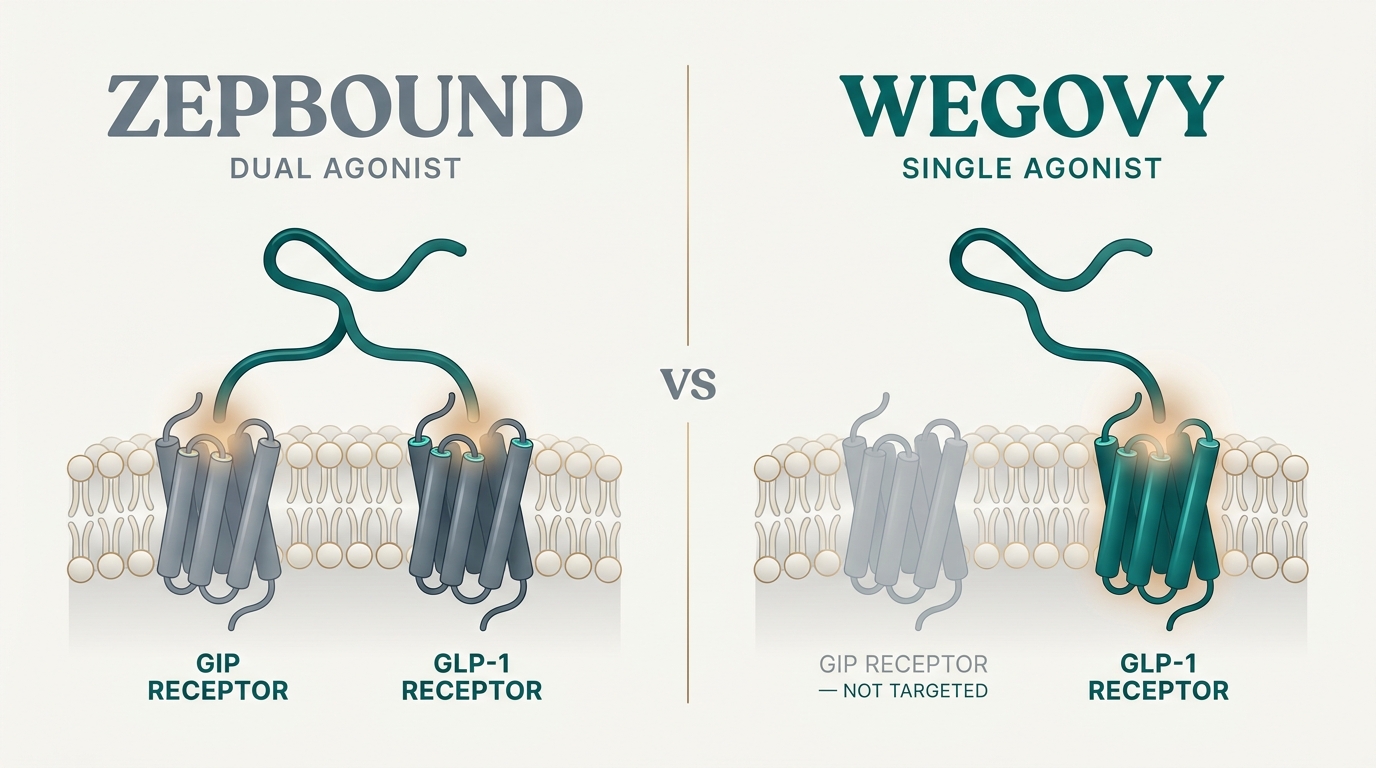
- A peptide comparison puts two compounds side by side across mechanism, clinical-trial results, side effects, and regulatory status so you can see how they actually differ. PeptidePanel’s comparisons are neutral and PubMed-cited, and cover peptides and metabolic compounds like GLP-1 receptor agonists.
- Are these comparisons medical advice?
- No. Every comparison is educational reference content, not medical advice. PeptidePanel does not promote, source, or supply any compound. Always consult a licensed clinician before making any treatment decision. The pages exist to explain the evidence, not to recommend a product.
- How are the comparisons sourced?
- Each clinical claim links to a primary source — PubMed, DOI, or FDA labeling — and every page carries a dated last-review stamp. We deliberately avoid influencer claims and unsourced dosing guidance, so the comparisons read as citation-grade clinical reference rather than marketing copy.
- Are the compounds you compare FDA-approved?
- It varies by compound, and each page states the regulatory status plainly. Some, such as semaglutide and tirzepatide, are FDA-approved for specific uses; others, such as retatrutide, are investigational and not FDA-approved. Investigational agents are always flagged as such on the comparison page.